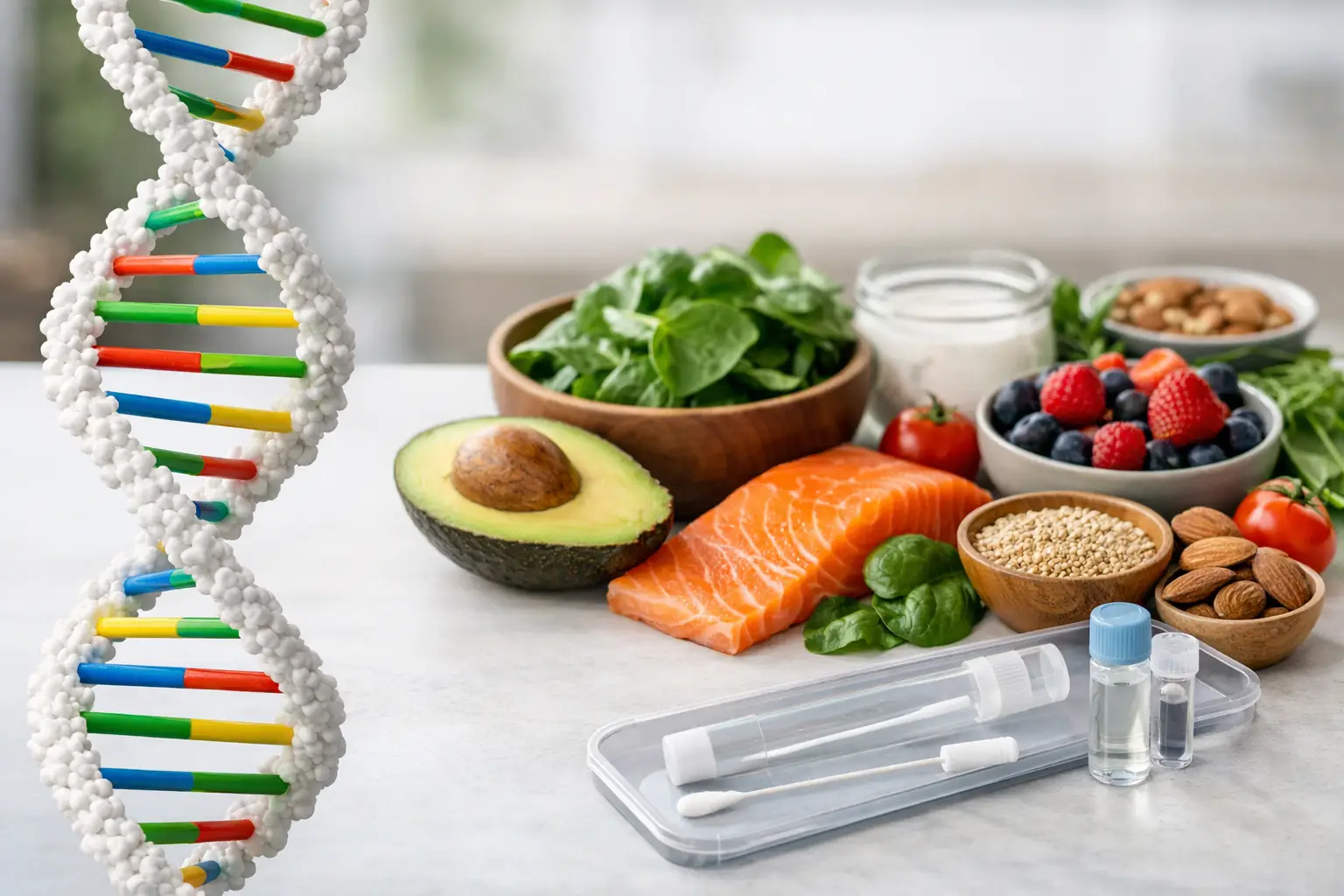
Most people looking for the best DNA tests for nutrition are not asking for novelty. They want fewer guesses. If your body does not respond to caffeine, carbs, supplements, or training the way standard advice says it should, a nutrition-focused DNA test can help explain why - but only if the test is built on meaningful genetics, clear reporting, and credible lab standards.
That is where the market gets crowded. Some products are wellness-first and visually polished but light on clinical detail. Others offer stronger scientific grounding yet make the results difficult to apply. The right choice depends on what you want from the test: general lifestyle guidance, sports nutrition support, methylation insight, or a broader precision-health view that puts nutrigenomics in context.
What makes the best DNA tests for nutrition
A useful nutrition DNA test does more than match you with a diet label. It looks at gene variants associated with nutrient metabolism, food sensitivities, exercise response, appetite regulation, caffeine processing, and how your body may handle fats or carbohydrates. The better platforms also explain the level of evidence behind each finding instead of treating every gene as equally predictive.
Clinical quality matters just as much as the gene list. A test processed through a CLIA-certified lab offers a stronger credibility standard than a purely consumer-grade wellness product. Data privacy also matters. Genetic data is long-term health data, so HIPAA-aligned handling, transparent consent, and secure storage should not be treated as optional features.
Turnaround time and report design are also practical factors. A dense report with no action plan is harder to use than a structured result that translates variants into next-step decisions around diet, supplementation, and daily habits.
7 best DNA tests for nutrition to consider
1. Gene Matrix
For consumers who want nutrition genetics within a broader precision medicine framework, Gene Matrix stands out for clinical positioning and speed. Rather than presenting nutrigenomics as a novelty category, it places nutrition insights alongside other decision-ready testing areas such as pharmacogenomics, stress resilience, and health risk analysis.
That matters if your goal is not just to learn whether you metabolize caffeine quickly, but to understand how nutrition fits into a wider health strategy. The platform emphasizes CLIA-certified processing, HIPAA compliance, AI-driven analysis, and turnaround times of 5 to 7 days. For a buyer comparing options, that combination signals medical-grade operational discipline rather than a purely lifestyle-oriented product.
This is a strong fit for proactive adults who want structured health guidance and value a test environment that feels closer to precision medicine than consumer wellness.
2. Nutrigenomix
Nutrigenomix is one of the more established names in nutrigenomics and is often used through healthcare practitioners. Its main strength is focus. The company is built specifically around nutrition-related genetic markers, with reporting designed to support dietary planning and nutrient recommendations.
This option makes sense for people who want a nutrition-centered test with a strong academic and practitioner-facing reputation. The trade-off is that the experience may feel more clinical and less immediate than direct-to-consumer platforms. Depending on access, you may also need a provider to interpret the results in a practical way.
3. DNAfit
DNAfit has built a recognizable brand around fitness and nutrition genetics. Its reports typically combine diet, recovery, and training-related markers, which can be useful for consumers who want a combined view instead of a nutrition-only readout.
The benefit here is usability. DNAfit tends to frame results in a way that feels actionable for everyday wellness users. The limitation is that some consumers may find the recommendations broad, especially if they are looking for medically grounded nutrition strategy rather than high-level lifestyle suggestions.
4. GenoPalate
GenoPalate is designed to make food-level recommendations based on your genetics. Instead of focusing mainly on raw gene interpretation, it emphasizes what to eat, what to limit, and how your body may respond to specific nutrients.
That consumer-friendly approach is appealing if you want direct meal planning guidance. It is less ideal if you want deeper transparency into methodology, broader health integration, or a more clinical-style report. In other words, it is practical, but it may not satisfy users who want stronger diagnostic framing.
5. CircleDNA
CircleDNA offers broad health screening that includes nutrition, fitness, and preventive health categories. This type of platform can be attractive for users who want one test covering multiple domains rather than buying a narrow nutrigenomics product.
The advantage is breadth. The challenge is depth. If nutrition is your primary reason for testing, a broad wellness panel may deliver many insights but not always the strongest nutrition-specific interpretation. It works best for consumers who value all-in-one screening and are comfortable sorting through a larger report.
6. 23andMe with third-party nutrition interpretation
Some consumers start with a general ancestry and health test like 23andMe, then use raw genetic data with third-party tools for nutrition analysis. This route can be more flexible and sometimes more affordable if you already have existing DNA data.
It also introduces more friction and more variability. Interpretation quality depends heavily on the third-party platform, and not all reports use the same evidence standards. This route is better for experienced users who understand the difference between genotyping data and clinically framed health interpretation.
7. SelfDecode
SelfDecode is popular among data-driven health consumers who want ongoing interpretation across multiple wellness categories, including nutrition. Its platform is built for users who like to explore health reports over time rather than receive a single static result.
That model has value if you want continuous engagement and broader personalization. The trade-off is complexity. For many users, especially those comparing first-time tests, a subscription analytics platform may feel more technical than necessary.
How to compare nutrition DNA tests without overpaying
The best test is not always the one with the largest number of genes. For nutrition, what matters more is whether the selected genes are relevant, the evidence is responsibly presented, and the report turns genotype into useful action.
Start with the lab standard. If a company does not clearly communicate CLIA-certified processing or equivalent quality controls, that is a legitimate concern. After that, look at privacy practices. You should know how your data is stored, whether it may be shared, and how consent is handled.
Then look at report design. Some tests are built for curiosity. Others are built for decision support. If you want to adjust macronutrients, supplements, training nutrition, or stimulant intake, the report should connect findings to those choices directly.
Cost should be judged against usefulness, not just the sticker price. A cheaper test that leaves you with generic advice can be more expensive in practice than a better-structured test you can actually use.
Who should use the best DNA tests for nutrition
Nutrition DNA testing is most useful for people who have already tried general advice and found that results were inconsistent. Maybe you are doing everything right on paper but still struggling with weight regulation, energy, recovery, or supplement tolerance. Genetics can add context.
It can also be helpful for athletes and active adults trying to personalize fueling and recovery, as well as adults focused on healthy aging who want more precise guidance around micronutrients, metabolism, and inflammation-related patterns.
That said, these tests have limits. They do not diagnose disease, replace bloodwork, or tell you exactly what to eat every day. They identify predispositions, not certainties. The strongest value comes when genetic insight is combined with your symptoms, labs, medical history, and real-world response.
What to expect from your results
A good nutrition DNA report should clarify a few key areas: how you may process caffeine, fats, and carbohydrates; whether certain vitamin pathways deserve closer attention; how your body may respond to training stress; and which eating patterns may be more compatible with your biology.
What it should not do is promise certainty. Genetics is one input. Sleep, medication use, hormones, stress, and existing health conditions all shape nutrition outcomes too. If a report sounds absolute, it is overselling the science.
The most useful mindset is to treat nutrigenomics as a decision support tool. It can help you stop guessing, narrow your options, and make smarter adjustments faster. For people who value preventive care and personalized health, that is often the real reason to test in the first place.
If you are choosing among the best DNA tests for nutrition, prioritize clinical quality, privacy, and actionability over marketing language. The right test should leave you with a clearer plan, not just more information.