Pain Pathways
Advanced Pain Genetics

GenePain

Decode Your Pain Response

Understand your genetic predisposition to pain sensitivity, medication response, and inflammation. Get personalized pain management strategies based on your unique DNA profile.

Pain SensitivityAnalgesic ResponseInflammationNSAID MetabolismNerve FunctionRecovery Rate
CLIA Certified
HIPAA Compliant
98% Accuracy
Scroll to Explore
What We Analyze

6 Answers About
Your Pain — That Only Your DNA Can Give

GenePain examines 150+ genes across 6 areas of your pain biology. Select a category below to see what you'll discover.

How You Feel Pain
28+ genes
Pain Sensitivity

The Question This Answers

Why do you feel pain more intensely than others?

Your DNA literally sets the volume dial on your pain signals. Certain gene variants amplify what your nerves send to your brain — meaning the same injury can feel twice as intense for you as it does for your neighbor. Knowing this changes everything about how you treat and manage pain.

What You'll Discover in Your Report

  • Your personal pain threshold score
  • Whether you're a high or low pain responder
  • Why your pain experience feels unique

Sample Insight Preview

Higher Sensitivity

Your actual score is calculated from your unique DNA sample

Key genes:SCN9ASCN10ACOMTOPRM1+24 more
150+ Genes Analyzed
6 Pain Categories
CLIA-Certified Lab
Actionable Insights
150+
Genes Analyzed
Comprehensive pain genetics panel
40+
Medications Mapped
Analgesics, NSAIDs & more
98%
Lab Accuracy
CLIA-certified results
5-7
Day Results
From lab receipt to your portal
Questions Pain Patients Ask

Your Pain Experience Has
A Genetic Explanation

If you've been told your pain is "in your head" or your medication isn't working — your genetics may hold the answer your doctors have been missing.

"Why do I feel pain so much more intensely than other people?"

Pain sensitivity is not weakness — it's often a genetic trait that doctors frequently miss.

"Why do I feel pain so much more intensely than other people?"
SCN9A / COMT / OPRM1

What the Science Says

The SCN9A gene encodes a sodium channel that determines how strongly pain signals travel to your brain. Variants in COMT affect how quickly your brain degrades pain-signal neurotransmitters. People with certain COMT variants experience significantly higher pain intensity from the same stimulus as others — this isn't psychological. OPRM1 controls how your natural pain receptors respond, affecting your baseline pain sensitivity.

How GenePain Helps

GenePain tests 28 pain sensitivity genes including SCN9A, COMT, and OPRM1 — giving you (and your doctor) objective genetic evidence for your pain experience and a basis for a completely different treatment approach.

People with the COMT Val158Met variant experience 25-40% higher pain intensity from identical stimuli

"Why don't pain medications seem to work for me?"

If prescription analgesics, NSAIDs, or other pain relievers have let you down, your genes are likely the reason — not your tolerance.

"Why don't pain medications seem to work for me?"
CYP2D6 / CYP3A4 / ABCB1

What the Science Says

CYP2D6 is the enzyme that converts codeine into morphine — without it, codeine does nothing. About 7-10% of people are poor CYP2D6 metabolizers, making codeine completely ineffective. Conversely, ultra-rapid metabolizers convert it so fast they can reach dangerous levels on normal doses. CYP3A4 affects oxycodone, fentanyl, and many other pain drugs. ABCB1 controls how drugs cross the blood-brain barrier.

How GenePain Helps

GenePain maps your complete analgesic and NSAID pharmacogenomics profile across 40+ pain medications — telling your pain specialist exactly which drugs work with your biology and which ones are wasting your time.

Up to 56% of chronic pain patients have a pharmacogenomic variant affecting their prescription drug metabolism

"Is my chronic inflammation genetic — or am I doing something wrong?"

Chronic pain from inflammation is one of the most underdiagnosed genetic conditions in medicine today.

"Is my chronic inflammation genetic — or am I doing something wrong?"
IL6 / TNF / COX2

What the Science Says

Interleukin-6 (IL6) is a key inflammatory cytokine — gene variants that cause overproduction result in chronic systemic inflammation even without an injury or infection. TNF-alpha variants similarly drive persistent immune activation. COX2 gene variants explain why some people have extreme NSAID sensitivity while others can take ibuprofen without effect. These aren't lifestyle failures — they're inherited inflammatory set points.

How GenePain Helps

GenePain identifies your inflammation genetics across 25 key genes — helping your rheumatologist distinguish between lifestyle-driven and genetic-driven inflammation to target treatment precisely.

Variants in the IL6 gene promoter increase baseline inflammatory markers by 2-4x and significantly predict chronic pain development

Your pain is real. Your genes can prove it — and guide better treatment.

Decode Your Pain Response
Real Patients. Real Answers.

The Gene That Finally
Explained Their Pain

For years they were told their pain wasn't real. Their genes said otherwise.

Kevin R.
Gene Discovery
CYP2D6 Poor Metabolizer + OPRM1 A118G
Codeine ineffective; pain medication receptors show reduced response
Kevin R.
51, Nashville, TN • Construction Foreman

“After back surgery I was prescribed codeine for pain management. It did absolutely nothing — I told three different doctors and they kept increasing my dose assuming I was developing tolerance. GenePain revealed I'm a CYP2D6 poor metabolizer, meaning codeine never converts to morphine in my body. My doctor switched me to a different medication class and for the first time in two years I had actual pain relief. I wasn't drug-seeking — my genes just couldn't use that drug.”

The Outcome

Switched to an effective medication for his genetic profile. Pain controlled for the first time post-surgery.

Jennifer M.
Gene Discovery
COMT Val158Met Homozygous + IL6 High-Inflammation Variant
Maximum pain sensitivity genotype; elevated baseline inflammation
Jennifer M.
43, Denver, CO • Nurse Practitioner

“As a nurse I knew pain differently than my patients described theirs. I had fibromyalgia diagnoses, rejected diagnoses, and specialists who thought I was catastrophizing. GenePain showed I have the homozygous COMT Val158Met variant — the genotype associated with the highest pain sensitivity — plus an IL6 variant that drives chronic inflammation. Showing those results to my rheumatologist changed my entire treatment plan. I finally had scientific proof my pain was real, not exaggerated.”

The Outcome

Fibromyalgia treatment plan redesigned based on genetic evidence. Pain improved significantly within 6 months.

Thomas W.
Gene Discovery
TRPV1 High-Sensitivity + GCH1 Reduced Pain Threshold
Elevated nerve sensitivity combined with reduced pain gating
Thomas W.
38, Phoenix, AZ • Marathon Runner

“I kept getting injured in training and the recovery pain was always way worse than what teammates with similar injuries experienced. My sports medicine doctor was baffled. GenePain revealed I have a TRPV1 variant that makes my nerve endings significantly more sensitive to heat and pain signals, plus a GCH1 variant that reduces my natural pain gating. Now I train smarter, use different recovery protocols, and work with a pain specialist who tailors my recovery specifically to my pain genetics.”

The Outcome

Training adjusted for genetic pain profile. 40% fewer training injuries since changing recovery protocol.

150+
Genes Analyzed
40+
Medications Mapped
19,000+
Reports Delivered
4.8/5
Patient Rating
Simple 4-Step Process

From Swab to
Pain Management Plan

Everything happens from your home. Your doctor gets a complete genetic roadmap for your pain treatment.

Your Pain Genetics Kit Ships Free
1
Step 1

Your Pain Genetics Kit Ships Free

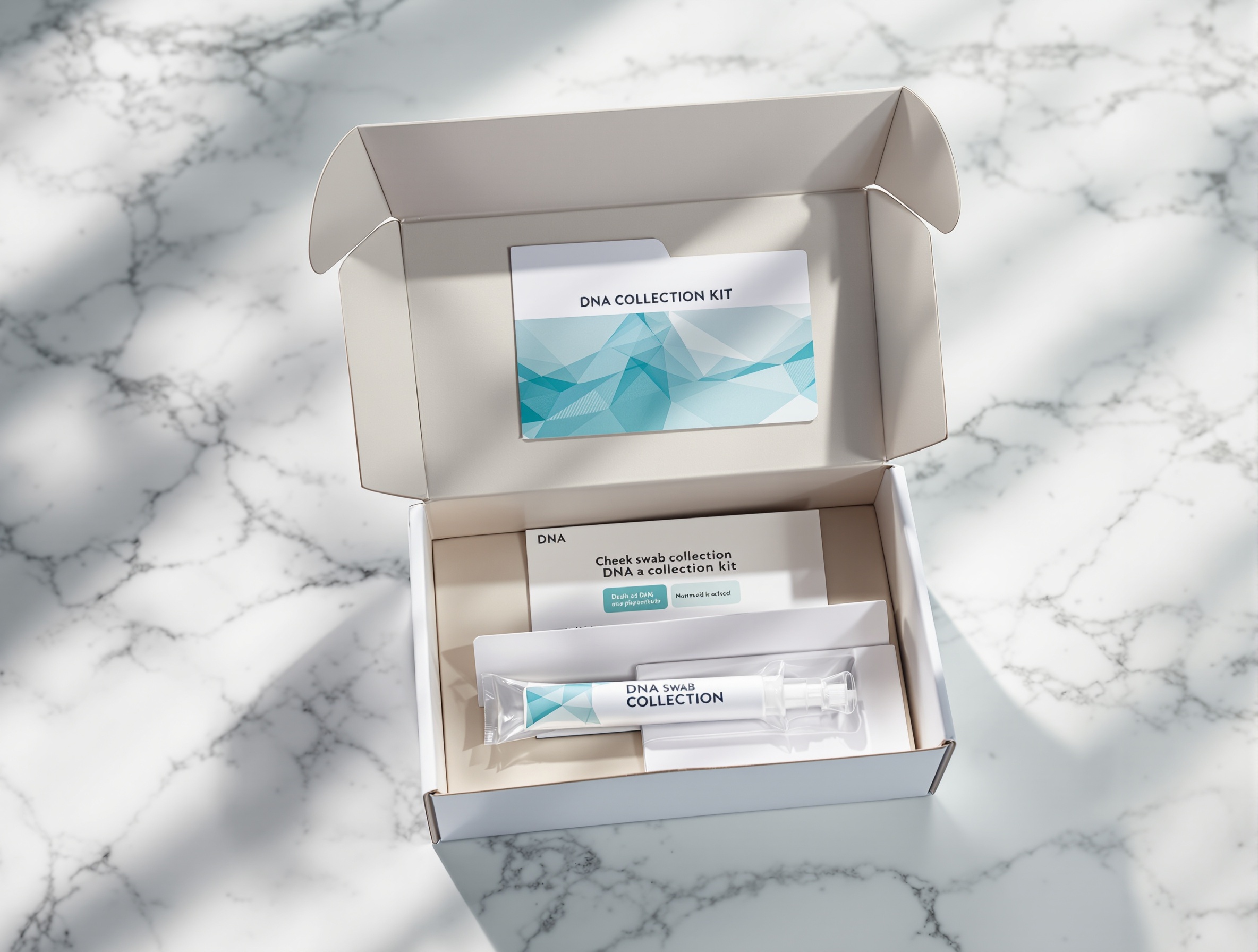
A lab-grade collection kit arrives at your home in 2-3 business days. Inside is a simple saliva collection tube, clear instructions, and a prepaid return envelope. No needles. No lab visit. No appointment required.

Free two-way shipping included. Kit arrives in 2-3 business days.
Collect Your Sample at Home
2
Step 2

Collect Your Sample at Home

A simple saliva sample is all we need. Spit into the tube, cap it, seal the prepaid return envelope, and drop it in any mailbox. The whole process takes under two minutes.

No fasting, no needles, no pain. Two minutes from your couch.
We Sequence 150+ Pain Genes
3
CLIA Certified
HIPAA Compliant
CE-IVD Certified
MD Reviewed
Step 3

We Sequence 150+ Pain Genes

Your sample is processed in our CLIA-certified lab using next-generation sequencing. We analyze every key gene related to your pain sensitivity, analgesic response, inflammation pathways, NSAID metabolism, and nerve function. Board-certified geneticists review your results.

Your Personalized Pain Profile
4
Step 4

Your Personalized Pain Profile

In 5-7 days, your comprehensive GenePain report is ready. Share it with your pain specialist, anesthesiologist, or primary care doctor. The report maps your medication compatibility, pain sensitivity profile, inflammation risk, and personalized management plan.

Share instantly with any pain specialist, GP, or anesthesiologist.

Results in 5-7 Days

Give your pain specialist the genetic evidence they need.

Included with Premium — $89/mo

Get GenePain with Premium Plan

GenePain is included in your Premium Plan subscription — along with 10 other genetic tests. No per-test fees. No surprises.

All 11 genetic tests included
AI-powered analysis & insights
HIPAA-secure patient portal
Physician-ready PDF reports
Free DNA kit shipping
Genetic counselor consultations
Subscribe & Get GenePain — $89/mo

The Cost Comparison

GenePain individually

One-time purchase

$329

Premium Plan — all 11 tests

Monthly subscription

$89/mo

This test individually: $329. With your subscription: included at $89/mo along with 10 other tests.

Compare all 11 tests
Also Included in Your Premium Plan

GenePain is just the beginning

Your subscription unlocks all 11 tests. Here are a few more you get at no extra cost:

Sandra L.
“I had chronic back pain for 8 years and tried every medication. GenePain showed I'm a CYP2D6 ultra-rapid metabolizer — pain medications were clearing my system too fast to work. My pain specialist switched my treatment and I finally have relief.”

Sandra L.

Phoenix, AZ

CYP2D6 ultra-rapid metabolizer identified

Clinical-Grade Quality You Can Trust

What's Inside the GenePain Test

The same laboratory quality hospitals use — made simple, accessible, and actionable for you.

Test at a Glance

150+ Genes
Comprehensive panel coverage
5–7 business days
From lab to your inbox
Buccal swab (at-home) or saliva collection kit
Simple at-home collection
Next-generation sequencing (NGS) with pain pharmacogenomic analysis
CAP-validated accuracy
CLIA, CAP, CE-IVD
Fully certified laboratory
Insurance Billing Codes
8147981401

These codes help your insurance process reimbursement. Coverage depends on your plan — we help verify.

Insurance & Coverage

Often covered by insurance
May need doctor referral
Typical requirements:
  • Chronic pain patient on or considering opioid therapy
  • Poor response to ≥2 analgesic medication trials
  • Severe adverse reactions to pain medications
  • Pre-surgical planning for pain management optimization
Check My Coverage

The Genes We Test (150+)

SCN9A
2q24.3
OPRM1
6q25.2
COMT
22q11.21
CYP2D6
22q13.2
CYP3A4
7q22.1
ABCB1
7q21.12
SLC22A1
6q26
KCNS1
20q12
NGF
1q13.2
TRPV1
17p13.2
IL6
7p15.3
TNF
6p21.33
PTGS2
1q31.1
UGT2B7
4q13.2
ADRB2
5q32
GCH1
14q22.1

Is This Test Right for You?

  • 1
    Patients with chronic pain seeking personalized analgesic selection
  • 2
    Individuals with treatment-resistant pain or poor opioid response
  • 3
    Patients experiencing severe opioid side effects or inadequate relief
  • 4
    Those with family history of pain medication non-response
  • 5
    Post-surgical patients planning pain management strategies
  • 6
    Individuals with recurring acute pain episodes wanting genetic insight

What Your Report Includes

Pain sensitivity profile — SCN9A, COMT, TRPV1 pain threshold genetics
Opioid pharmacogenomics — OPRM1, CYP2D6, CYP3A4, ABCB1 metabolism
NSAID response analysis — PTGS2, UGT2B7, CYP2C9 efficacy and risk
Inflammation genetics — IL6, TNF, NGF chronic inflammatory pain markers
Neuropathic pain risk — KCNS1, GCH1, NGF nerve pain susceptibility
40+ prescription analgesic medication response predictions
Personalized pain management protocol for physician use
Non-pharmacological intervention recommendations based on genotype

How to Get Started

Order Kit

Order online or through your pain specialist. Free shipping.

Collect DNA

2-minute cheek swab at home. Mail back prepaid.

Lab Analysis

150+ pain sensitivity and analgesic genes analyzed.

Pain Plan

Personalized analgesic guide with gene-level evidence.

Sample Report Preview

This is what your report looks like

No lab jargon. No confusing charts. Just clear, personal answers about your pain.

portal.genematrix.com/reports/genepain
AJ

Alex Johnson, 42

GenePain Report · Feb 1, 2024

CLIA ID: 14D2276402

NPI: 1225729312

150 Genes Analyzed
18 Variants Found
12 Recommendations

Your Results

Pain Sensitivity
Higher Than Average

Your Score

72/100

LowHigh

Your body feels pain more quickly and strongly than most people.

Your SCN9A gene variant lowers your natural pain threshold. You're not imagining it — your nervous system genuinely registers pain signals faster and at higher intensity than average.

Your Action Step

Multimodal pain management (not just medication) is key for you.

Also inside your full report

Your Nutrition Plan

14 personalized dietary recommendations based on your inflammatory markers

Exercise Protocol

Which exercises reduce your specific pain patterns and which to avoid

Supplement Guide

6 supplements ranked by effectiveness for your genetic profile

Ready to see what your own DNA reveals about your pain?

CLIA ID: 14D2276402 · NPI: 1225729312 · HIPAA Compliant · 30-Day Money-Back Guarantee

Cookie & Privacy Preferences

HIPAA GDPR

We use cookies to ensure our website functions securely and to improve your experience. As a healthcare provider handling sensitive genetic data, we adhere to strict HIPAA and GDPR standards. No personal health information (PHI) is ever stored in cookies. You can customize your preferences below.

Privacy Policy
Gene Matrix AI — Ask me anything